
 how-to
Lymphatic Drainage Massage: A Safe How-To Guide
Table of Contents
- What Lymphatic Drainage Massage Is and What It Does
- Manual Lymphatic Drainage: How It Differs from Other Massage
- A Safe Step-by-Step Self-Massage Routine
- Lymphatic Drainage Massage Contraindications and Warning Signs
- Lymphatic Drainage Massage Duration and What to Expect
- How to Prepare for Lymphatic Drainage Massage
- Self-Care or Professional Treatment? Making the Choice
- Frequently Asked Questions
Last Updated: October 9, 2026
What Lymphatic Drainage Massage Is and What It Does
Lymphatic drainage massage is a gentle, non-invasive treatment that helps your body move excess fluid through the lymphatic system. The lymphatic system is a network of vessels and nodes that clears waste products and fluid from your tissues. When that flow slows down, fluid buildup collects and you feel swollen and tired.
How the Lymphatic System Moves Fluid
Your lymph vessels do not have a pump like the heart. They rely on movement, breathing and muscle activity to push lymph along. Gentle skin stretching is what wakes them up. Light, rhythmic strokes move lymph toward the lymph nodes, where waste products are filtered out. When you sit still for long stretches, that flow stalls.
What a Session Feels Like
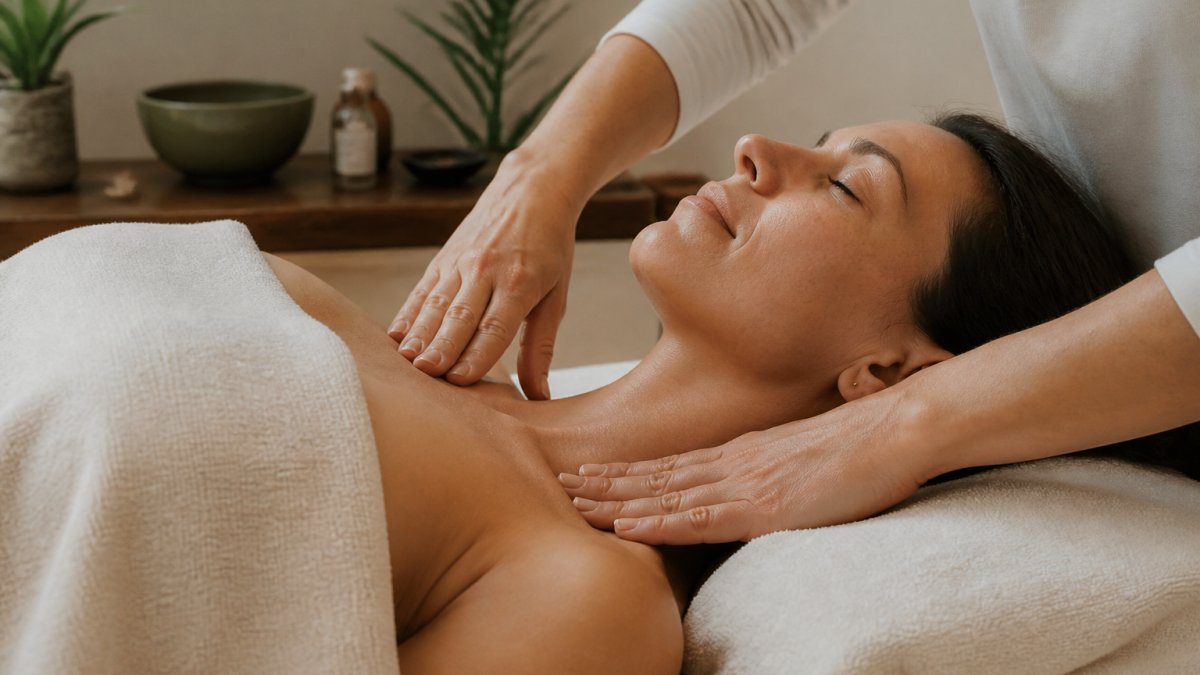
The touch is light, slow and repetitive. You stay clothed or covered with a sheet.
Manual Lymphatic Drainage: How It Differs from Other Massage
Manual lymphatic drainage is not a firmer version of a regular massage. It is a different technique with a different goal.
A standard massage works on muscle. It uses firm pressure to release tension and knots. Manual lymphatic drainage works on the fluid between your cells. It uses light, specialised strokes that stretch the skin in one direction, following the path of the lymph vessels toward the lymph nodes.
That difference matters. If you press too hard, you can overload the vessels instead of helping them drain. Trained practitioners learn the exact direction and pressure for each body area, which is why technique beats force every time.
A Safe Step-by-Step Self-Massage Routine
You can support your lymph flow at home with a short, gentle routine. Keep the pressure light, always move toward your heart, and stop if anything hurts.
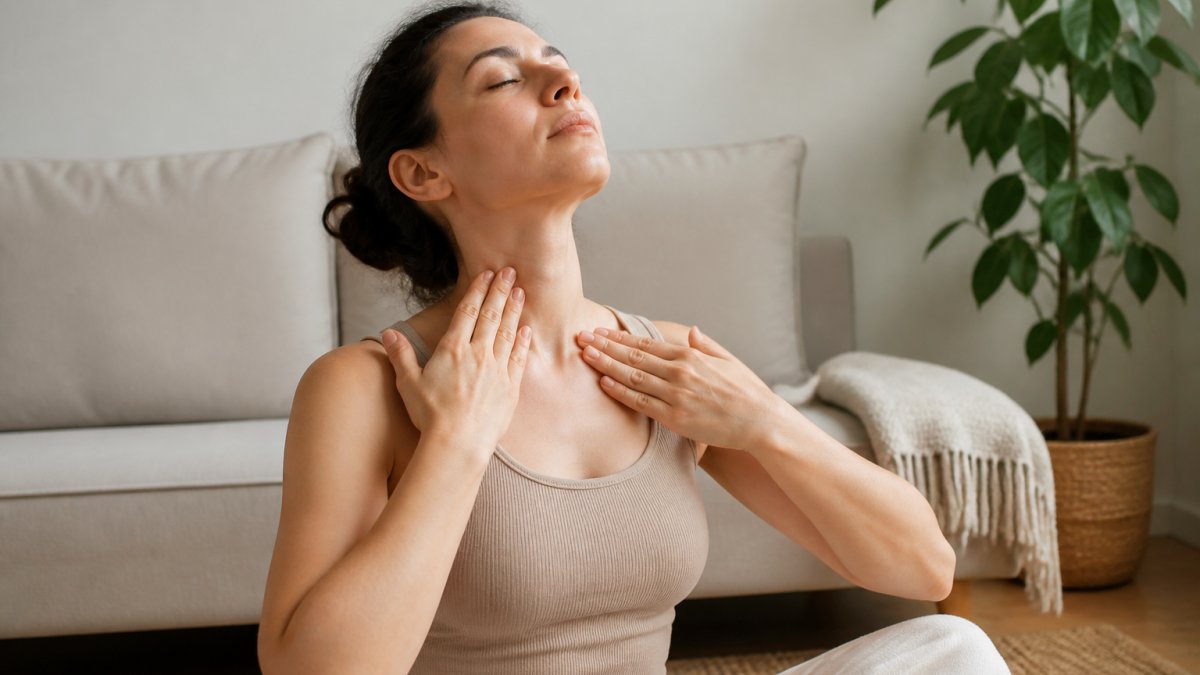
Neck and Collarbone
- Rest your fingertips just above your collarbone.
- Stroke gently downward toward the collarbone 5 to 10 times.
- Move to the side of your neck and stroke down toward the shoulder.
- Finish with slow, light strokes along the jawline toward the ears.
Legs and Arms
- Start at the top of the leg, near the groin.
- Stroke lightly upward toward the hip 5 to 10 times.
- Work down the leg in small sections, always stroking upward.
- Repeat on the arms, moving from wrist toward the shoulder.
Lymphatic Drainage Massage Contraindications and Warning Signs
Lymphatic drainage massage is not right for everyone. Because the technique deliberately moves fluid through vessels and nodes, conditions that affect fluid balance, clotting or the heart can turn a gentle treatment into a risk. Knowing the contraindications, and the difference between a hard stop and a "check first", protects you.
Absolute contraindications: do not proceed
These situations mean the treatment should not go ahead until the underlying issue is resolved and a treating clinician has cleared you:
- An active infection, fever or systemic illness
- A known or suspected blood clot, including deep vein thrombosis
- Untreated or unstable heart, kidney or liver conditions, where extra fluid movement can overload the system
- A skin infection, open wound, rash or active cellulitis in the area being treated
- Current cancer treatment, unless your oncology team has specifically approved lymphatic drainage
Relative contraindications: get clinician clearance first
These do not automatically rule out treatment, but they need a conversation with your doctor or a certified lymphoedema therapist before you book:
- A history of deep vein thrombosis or clotting disorders
- Lymphoedema that has not been formally assessed
- Recent surgery, particularly within the first few weeks
- Pregnancy, where positioning and pressure need adjusting
- Low blood pressure or a tendency to feel faint
- Thyroid conditions, where fluid shifts can affect how you feel
- Chronic venous insufficiency, which often needs compression alongside any massage
Warning signs to stop and seek medical advice
Stop the session and seek urgent medical advice if you notice:
- Sudden swelling in one limb, especially with pain, warmth or redness
- Chest pain, shortness of breath or a rapid heartbeat
- Swelling that worsens instead of easing after treatment
- New numbness, tingling or loss of movement in an arm or leg
- Fever, chills or a feeling of being unwell after a session
If you are unsure whether lymphatic drainage is safe for you, treat that uncertainty as a reason to ask a clinician first, not as a reason to skip the question.
Lymphatic Drainage Massage Duration and What to Expect
A session usually runs 45 to 60 minutes. You will lie down, stay warm, and let the practitioner work through the body areas that need it most. The pressure should feel light, most people describe it as a gentle skin stretch rather than a massage.
Book Lymphatic Drainage Session for Eltham here →
How often, and for how long
There is no single schedule that suits everyone, but a common pattern is:
- Acute swelling or post-surgical recovery: two to three sessions per week for the first two to three weeks, then taper
- Ongoing lymphoedema management: once or twice weekly, often alongside compression
- General puffiness or maintenance: once a week, or a short home routine between professional visits
How to tell whether it is working
Rather than chasing a number on the scale, track simple, repeatable signs:
- Limb circumference measured at the same point, at the same time of day
- How easily rings, shoes or sleeves fit
- Heaviness, tightness or aching in the affected area
- Skin texture, whether it feels softer or less taut
- Energy levels and sleep quality in the day or two after a session
Pressure and what to say during a session
The correct pressure is light enough that you should not feel pain, and slow enough that each stroke feels deliberate. If a stroke feels sharp, ticklish in an unpleasant way, or leaves the area sore afterwards, say so, the practitioner can adjust. Deeper is not better here; too much pressure can overload the vessels you are trying to help.
Realistic expectations
Lymphatic drainage is well established for managing some forms of lymphoedema and for reducing swelling after certain surgeries. It is not a detox treatment, and claims about skin tone, cellulite or general wellness are not supported by strong evidence. If a provider promises a fixed outcome in a fixed number of sessions, treat that as a reason to ask more questions, not fewer.
How to Prepare for Lymphatic Drainage Massage
Preparation is simple, but it makes a real difference to how well your body responds.
- Drink water before and after your session
- Wear loose, comfortable clothing
- Avoid a heavy meal in the hour beforehand
- Skip alcohol and salty food the day before
- Bring a list of medications and health conditions
- Arrive a few minutes early so you can settle
If you have a chronic condition or recent surgery, check with your doctor first. A trained practitioner will also ask about your health history before starting.
Self-Care or Professional Treatment? Making the Choice
Self-massage is a good habit, but it has limits. You cannot easily reach your back, and it is hard to judge your own pressure and direction. For mild puffiness, a home routine may be enough.
Professional treatment suits you better if you have lymphoedema, are recovering from surgery, or have swelling that has not shifted with self-care. A trained practitioner can assess your body areas, adjust pressure and work on spots you cannot reach.
At Puffy to Powerful, we build a plan around your history, not a one-size-fits-all routine.
Frequently Asked Questions
What is a lymphatic drainage massage good for?
It is used to reduce swelling and fluid buildup, support post-surgical recovery, and ease lymphoedema symptoms. It works by using gentle, rhythmic strokes to encourage lymph flow through the vessels and nodes. Some people also find it relaxing and report improved skin tone. It is not a weight-loss treatment or a replacement for medical care. If you have persistent swelling, see a doctor first to rule out other causes.
How do I drain my lymphatic myself?
Start with slow, gentle strokes on your neck and collarbone to clear the drainage points. Then move to your legs or arms, always stroking toward the torso. Use light pressure, just enough to stretch the skin. Each area takes about one to two minutes. Do this daily for 10 to 15 minutes. If you have lymphoedema or had cancer surgery, ask a qualified practitioner before starting.
Is there a downside to lymphatic drainage?
For most people, it is low risk. But it is not suitable if you have an active infection, blood clots, heart or kidney failure, or untreated cancer. It can also cause temporary soreness or fatigue. If you have lymphoedema, doing it incorrectly may worsen swelling. Always check with a doctor or lymphoedema therapist if you have a health condition. Stop if you feel pain or dizziness.
How long does a lymphatic drainage massage take?
A professional session usually runs 45 to 60 minutes, depending on the areas treated. A self-massage routine can take 10 to 20 minutes. The duration depends on your goals and whether you are managing a specific condition. Your first session may be shorter while the practitioner assesses your needs. Ask your therapist what to expect for your situation.
Persistent puffiness and fatigue rarely sort themselves out with willpower alone. If swelling, heaviness or slow recovery keeps holding you back, the cause often sits deeper than diet and salt. Puffy to Powerful offers personalised lymphatic therapy, hormone support and interstitial health work, delivered by a Certified Lymphologist using advanced medical-grade devices. Book a lymphatic drainage session and give your body the support it needs to feel lighter and work with you again.